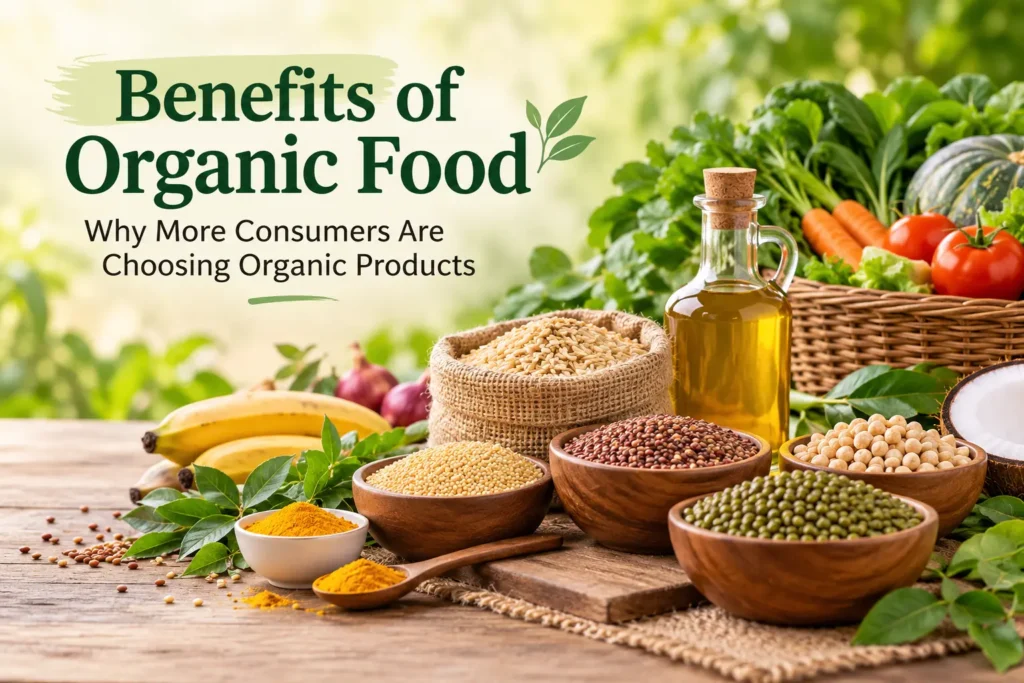
Benefits of Organic Food: Why More Consumers Are Choosing Organic Products
Choosing what to eat every day can make a difference to your overall health and lifestyle. From breakfast ingredients to cooking oils and evening snacks, the quality of your everyday groceries matters. This is one reason why more consumers are exploring organic food and traditional food products for their households.
The benefits of organic food go beyond choosing ingredients labelled organic. Organic products can help reduce exposure to certain pesticide residues, support food choices that match your personal preferences, and encourage a more conscious approach to grocery shopping. However, organic food is not automatically more nutritious than every conventional alternative.
Whether you are planning healthier family meals, looking for organic millets, or searching for traditional ingredients online, understanding what organic food offers can help you make informed choices.
In this guide, we explore the key benefits of organic food, the science behind its potential advantages, and practical ways to include organic products in your daily diet.
What Is Organic Food?
Organic food refers to food produced and processed according to organic farming and certification standards. These standards generally restrict the use of synthetic fertilisers and pesticides, prohibit genetically modified organisms under applicable certification rules, and regulate other production practices.
Common organic food products include:
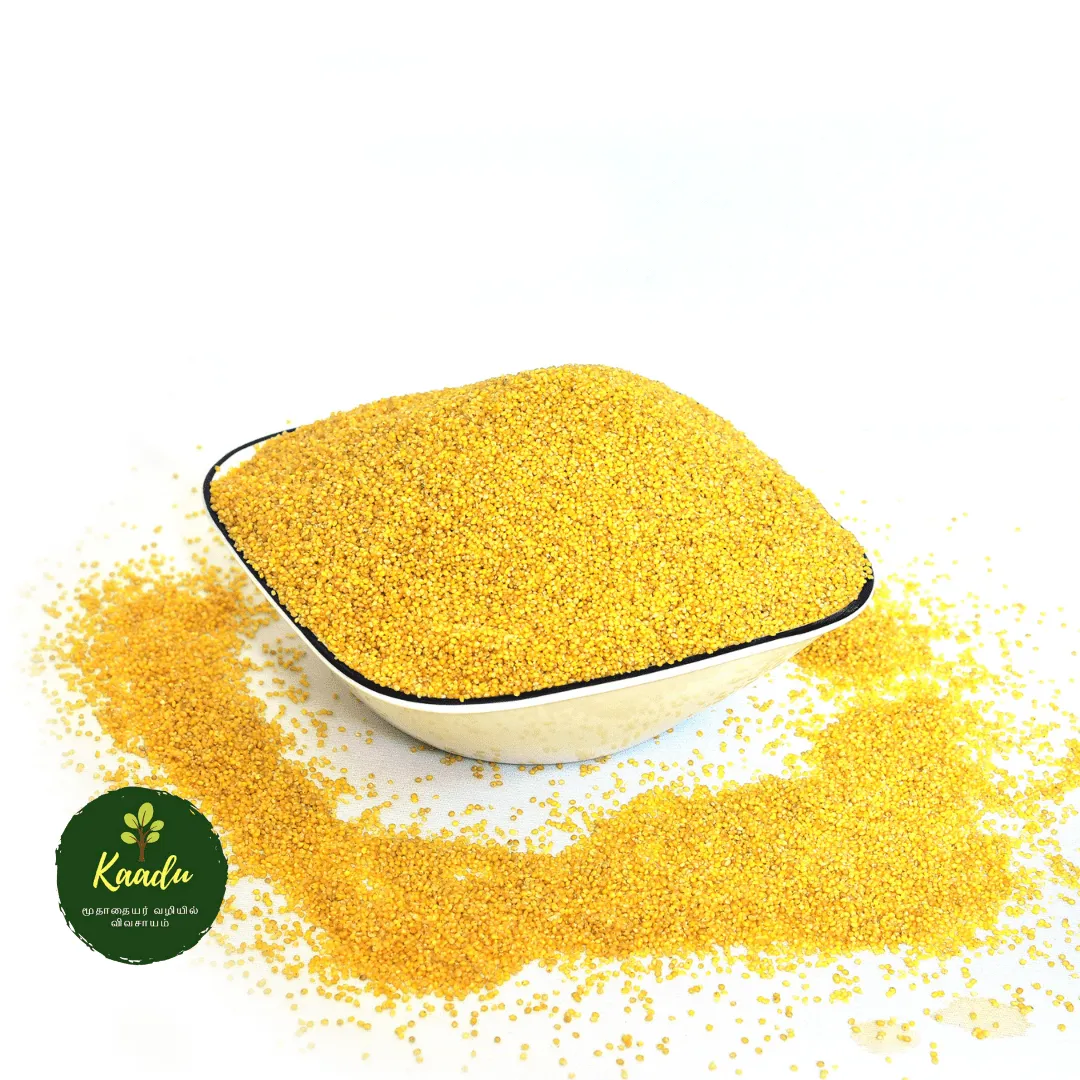
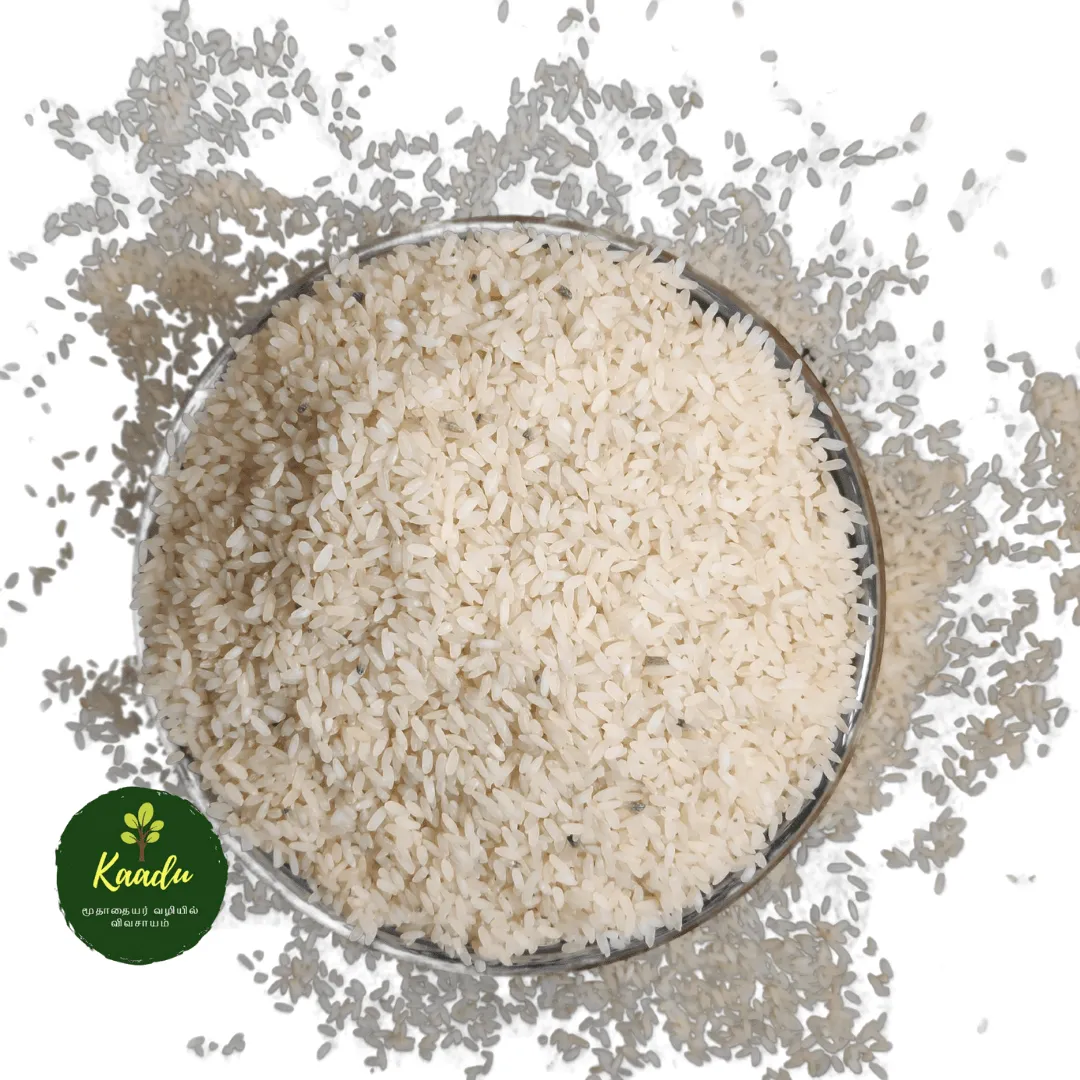
- Organic rice, millets and other grains
- Organic pulses and legumes
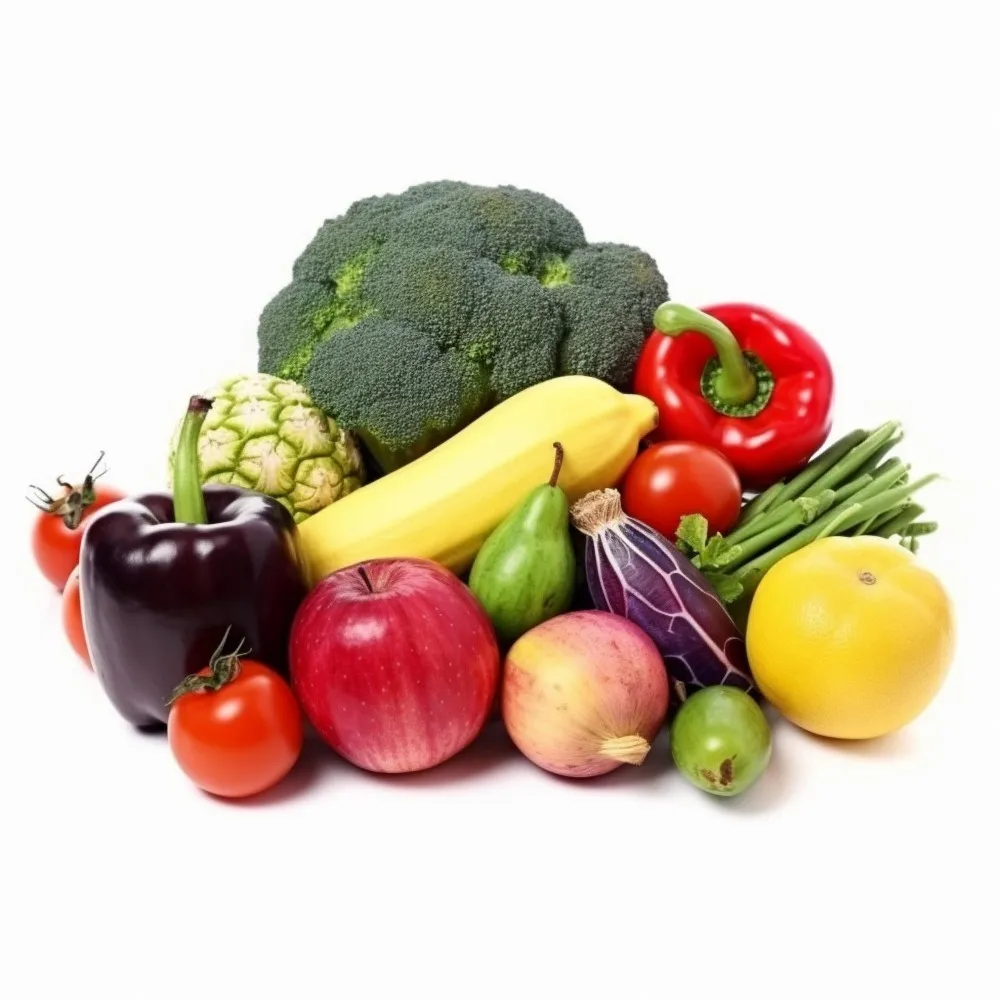
- Organic fruits and vegetables
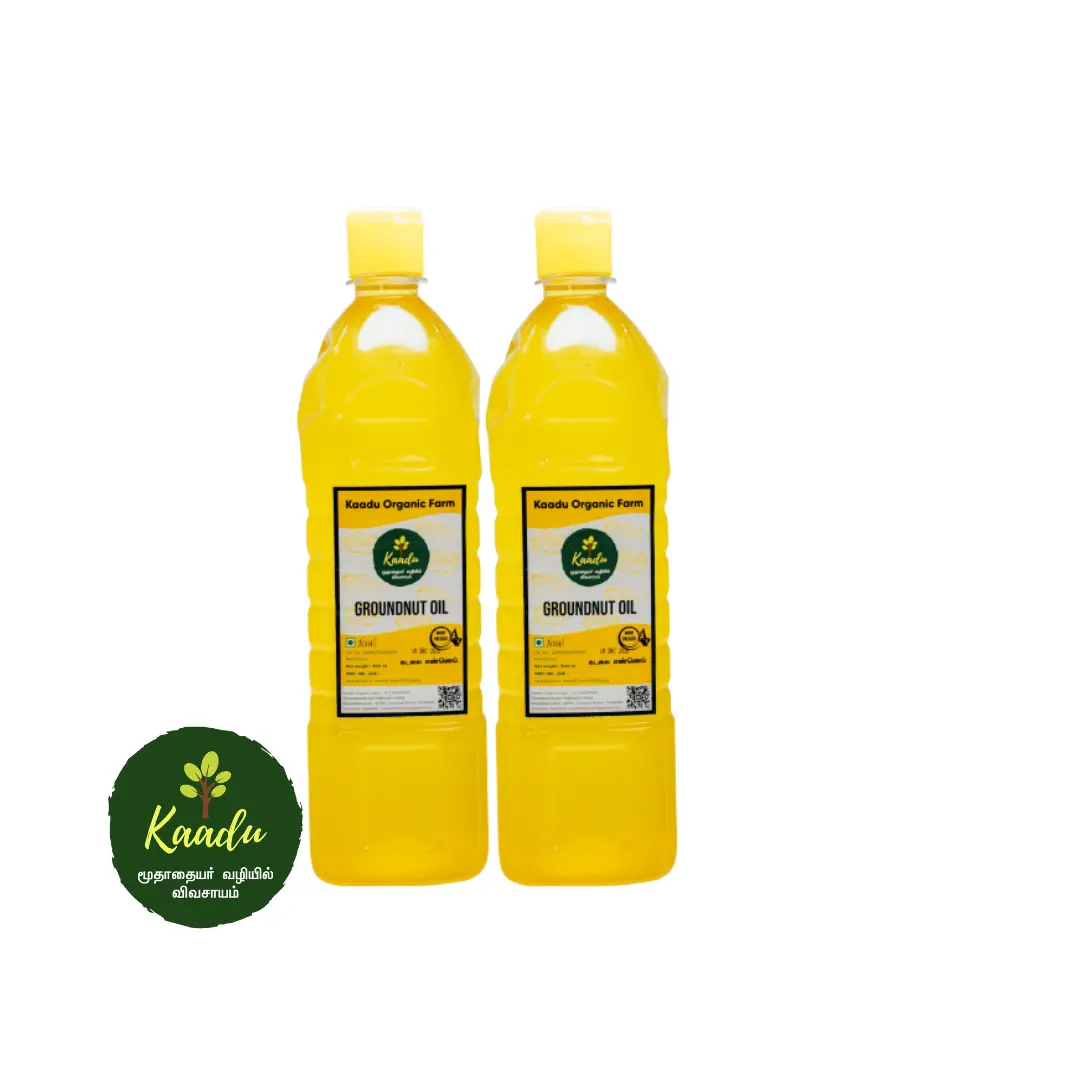
- Cold-pressed oils made from organic ingredients
- Organic spices and traditional food powders
- Organic snacks and ready-to-cook ingredients
For consumers shopping online, it is important to check product labels, ingredient lists and certification details rather than relying only on words such as “natural” or “pure.”
8 Important Benefits of Organic Food
1. May Help Reduce Exposure to Certain Pesticide Residues
One of the main benefits of organic food is the potential to reduce dietary exposure to certain pesticide residues.
Organic production standards restrict many synthetic pesticides used in conventional agriculture. Research has found that people who switch to organic diets can experience lower levels of certain pesticide exposure biomarkers.
A systematic review and meta-analysis published in Nutrition Reviews in 2024 examined 50 observational and interventional studies. It found evidence of reduced pesticide exposure associated with organic food consumption, although the strength of evidence varied by health outcome.
Source: Nutrition Reviews research on organic food and human health.
What this means for consumers: Choosing certified organic ingredients may help reduce exposure to some pesticide residues. However, organic food is not necessarily pesticide-free, and conventional food that meets applicable safety standards can also be safe to eat.
2. Encourages More Thoughtful Food Choices
Shopping for organic food can encourage consumers to pay closer attention to the ingredients they purchase.
For example, instead of selecting a packaged snack based only on its appearance, you may begin checking its ingredients, added sugar, salt content and processing methods.
This habit can help you compare products and understand what you are eating.
However, organic certification does not automatically mean a product is low in sugar, salt or calories. An organic biscuit or snack can still contain ingredients that you may want to consume in moderation.
Consumer tip: Read the complete ingredient list and nutrition information before buying packaged organic products online.
3. Supports a Diet Rich in Whole Grains and Millets
Organic millets, whole grains and pulses can be useful additions to a balanced everyday diet.
Millets such as ragi, jowar and bajra provide carbohydrates, dietary fibre and varying amounts of minerals and other nutrients. Pulses such as lentils and chickpeas are valuable sources of plant protein and fibre.
Including these foods in regular meals can support dietary variety and help you build balanced meals.
For example, you can prepare ragi porridge for breakfast, millet dosa for dinner, or a meal containing rice, dal and vegetables.
The important distinction is that these nutritional benefits come primarily from the food itself. Organic certification does not guarantee that a millet or grain contains more nutrients than its conventional counterpart.
If you are exploring traditional ingredients, look for clearly labelled organic millets and whole-grain products that suit your cooking preferences.
4. Can Fit Into a Balanced, Fibre-Rich Diet
Another practical benefit of organic food is that it can make it easier to choose organic versions of everyday staples, including whole grains, pulses, fruits and vegetables.
Many plant foods naturally provide dietary fibre, which supports normal digestion and bowel function. Fibre-rich foods can also contribute to fullness when included in balanced meals.
For example, a meal containing millet, dal and vegetables offers a combination of carbohydrates, protein, fibre and micronutrients.
However, organic certification itself does not improve digestion or guarantee better gut health. The overall composition of your diet, your food portions and your individual needs matter more.
To get the most from your grocery choices, combine a variety of whole grains, pulses, vegetables, fruits, nuts and seeds instead of relying on a single category of food.
5. Offers More Options for Ingredient-Conscious Shopping
Many consumers want to understand what goes into their daily food. Organic products can offer another option when choosing ingredients for home cooking.
Depending on the product, you may find organic rice, millet flour, spice powders, pulses and other pantry essentials.
When shopping for these items, check:
- The complete ingredient list
- Organic certification or other verifiable product claims
- Manufacturing and best-before dates
- Storage instructions
- Packaging information
- Whether additional sugar, salt, flavourings or preservatives are included
These checks are especially useful when buying packaged products from an e-commerce website.
Remember that “organic,” “natural” and “unprocessed” do not mean the same thing. A product may be organic but highly processed, while a conventional whole food may be minimally processed.
6. May Support More Environmentally Conscious Food Choices
Organic production standards generally place greater emphasis on practices such as maintaining soil health, supporting ecological processes and restricting many synthetic agricultural inputs.
Depending on the crop, location and production method, these practices may offer environmental advantages.
For consumers, choosing organic food can be one way to align grocery purchases with personal environmental preferences.
However, the environmental impact of food depends on several factors, including transportation, water use, packaging, crop yields and food waste. Organic products are not automatically better in every environmental category.
A practical approach is to choose products you can use regularly, store correctly and finish before they spoil.
7. Helps You Explore Traditional Ingredients and Everyday Recipes
Organic food shopping can also introduce you to a wider range of ingredients for familiar Indian meals.
For example, you can explore:
- Millet flour for dosa, roti and porridge
- Traditional spice powders for homemade curries
- Organic pulses for sambar, dal and sundal
- Cold-pressed oils for suitable everyday cooking
- Traditional mixes for convenient breakfasts
- Organic snacks for occasional use
These ingredients can help you prepare meals that fit your family’s preferences and cooking routine.
When choosing cold-pressed oils, compare the type of oil, its intended cooking use, the ingredient information and the recommended storage conditions. Cold-pressed does not automatically mean organic, and organic does not automatically make an oil healthier in unlimited quantities.
The goal is to find suitable ingredients that make everyday cooking convenient without losing sight of portion sizes and dietary balance.
8. Makes Online Grocery Shopping More Convenient
Buying organic food online allows you to compare products, pack sizes, ingredients and prices without visiting multiple stores.
For busy households, this can make it easier to plan pantry purchases and find specific ingredients.
Before placing an order, check the product description, net weight, ingredient list, certification information, delivery conditions and return policy where applicable.
It is also useful to compare the cost per 100 grams or kilogram instead of comparing package prices alone.
For example, a larger pack may appear more affordable, but it is only a good choice if you can store and use the product before its quality declines.
If you are building an organic pantry, start with ingredients you already use regularly, such as grains, millets, pulses and spices.
Are Organic Foods More Nutritious Than Conventional Foods?
Not necessarily. This is an important question for anyone comparing organic food products.
A 2024 systematic review published in Heliyon analysed 147 scientific articles covering 1,779 food samples. It found significant nutritional differences in some comparisons, inconsistent results in others, and no significant differences in many comparisons.
Source: Are organics more nutritious than conventional foods?.
The findings suggest that organic food does not have a universal nutritional advantage over conventional food.
The nutritional value of a product depends on its food type, variety, growing conditions, storage, processing and preparation.
For example, whole-grain millet can provide fibre and minerals whether it is organic or conventional. The organic label describes production standards; it does not replace the need to evaluate the food’s actual nutritional value.
A sensible approach is to prioritise a varied, balanced diet and choose organic products where their production standards, ingredient information and price fit your needs.
How to Choose Good Organic Food Products Online
Before purchasing organic groceries, follow these simple steps.
Check Organic Certification
Look for relevant certification and traceability information. In India, the Jaivik Bharat identity and applicable certification details can help consumers assess organic food claims. Verify the information provided for the specific product rather than assuming every product labelled “natural” is certified organic.
Read the Ingredients
Choose products whose ingredients match your requirements. If you want a single-ingredient millet flour or spice powder, check whether the product contains additional ingredients.
Compare Price and Pack Size
Organic products can cost more than conventional alternatives. Compare the unit price, quantity and intended use before buying.
Choose Products You Will Actually Use
Start with familiar ingredients such as millet flour, pulses, cooking oils or spice powders. This makes it easier to incorporate your purchases into existing meals.
Store Products Properly
Follow the instructions on the packaging. Keep grains and flours in suitable airtight containers, protect oils from excessive heat and light, and check best-before dates.
Frequently Asked Questions About the Benefits of Organic Food
What are the main benefits of organic food?
The main potential benefits include reduced exposure to certain pesticide residues, access to products made under organic production standards, and more options for consumers who prefer organic ingredients. Organic food can be part of a balanced diet, but it is not automatically more nutritious than conventional food.
Is organic food healthier than normal food?
Organic food may reduce exposure to certain pesticide residues, but current evidence does not establish that every organic product is healthier than its conventional equivalent. Overall diet quality, food variety, portion sizes and preparation methods remain important.
Does organic food contain more nutrients?
Not always. Research comparing organic and conventional foods has found mixed results. Nutrient content varies by food type and other production and storage factors.
Is organic food completely free from pesticides?
No. Organic standards restrict many synthetic pesticides, but certain approved substances may still be used. Residues can also arise from environmental contamination or other sources. Organic does not mean pesticide-free.
Are organic millets good for everyday meals?
Millets such as ragi, jowar and bajra can be included in everyday meals as sources of carbohydrates, fibre and other nutrients. Organic versions are an option for consumers who prefer organically certified products. Prepare them as part of a varied diet with pulses, vegetables and other nutritious foods.
How can I buy organic food online safely?
Check certification information, ingredients, pack size, expiry or best-before dates, storage instructions and seller details. Compare products carefully and purchase from sellers that provide clear product information.
Is organic food worth the extra cost?
That depends on your budget and priorities. You can begin with a few regularly used products, compare prices and decide which items offer the best value for your household. Eating a varied diet is more important than buying every product labelled organic.
Choose Everyday Ingredients More Mindfully with Kaadu Organics
Making thoughtful food choices does not require changing your entire kitchen overnight. Start with ingredients you use regularly and learn to compare their quality, ingredients, nutritional information and sourcing details.
Whether you are exploring organic millets, traditional food powders, cooking oils or everyday pantry essentials, choose products that suit your household’s needs and cooking habits.
Explore the available products at Kaadu Organics to find ingredients for your everyday meals and make more informed grocery choices.
.