How to Identify Genuine Organic Products Before You Buy: A Complete Buyer’s Guide
You’ve reached the stage of buying groceries where you decide to choose a healthier option. Some products have labels describing them as “organic,” “natural,” “100% pure,” or “farm fresh.”
At first, these could all be perceived as healthy products. However, they all can’t be healthy alternatives. This is one of the biggest questions people face today when they walk into a store to buy groceries.
As more brands have begun selling organic foods, they have had to step up their marketing strategies to make their products more attractive to customers. As a result, products have become more visually appealing, with labels claiming they are “natural,” “pure,” and “chemical-free,” among other things. Therefore, it is finally time to step back and ask, do these products actually represent a commitment to healthy alternatives?
The good news is that spotting real organic products doesn’t take years of training or higher education. Paying attention to a few key factors will give you the opportunity to make better choices and have higher levels of confidence while grocery shopping for you and your family. As a result of reading this guide, you will be able to identify real organic products, learn marketing strategies to avoid, and get other tips to become a more informed shopper.
Why More People Are Buying Organic Products
The last ten years have introduced a new shopping mindset. Shopping once revolved around pricing and name familiarity. Now, shoppers are more aware of food quality. They consider the farming and harvesting methods along with product certifications.
They are becoming increasingly aware, and so are families, working people, and young parents. Everyone is more mindful of what is coming into their houses. This product awareness shift is happening for many reasons. Food Awareness Has Increased
People are asking more questions than ever.
- Where was this product grown, produced, and processed?
- What are the additives?
- What is the brand?
Buying decisions are not made easily as they used to be. People are reading and comparing. Many companies have responded to these requests and have become more transparent to consumers.
More Focus on Previous Generations
More Indian families are focusing on the foods of generations past.
Instead of processed foods, the popularity of simple foods like millets, cold-pressed oils, and pantry staples, along with spices and sweeteners like jaggery, is evident. Organic foods and traditional methods of farming and food preparation may not be the same, but are perceived as being in the same category of wholesome foods and mindful eating. Advancements in technology enable people to do comparisons for hundreds of foods without leaving their houses.
Shopping online helps you easily:
- Find reviews
- Compare ingredients
- Know the brand
- Find Certifications
- Know the product details
All this makes online shopping convenient. However, it gives rise to another problem: how to choose the right organic product among the many available options?
What does “organic” mean?
To determine which product to choose really means understanding which products are truly “organic.”
“Organic” refers to the way food is cultivated, the way the farm is cultivated, and the way the farm is maintained and operated, up to the standards of organic farming.
In comparison to conventional farming, whose main focus is product output, organic farming focuses on the health of the farming soil in the long term and the minimal use of artificial inputs.
Some practices may include:
- Rotation of crops
- Soil nutrition using compost
- Management of pests biologically
- Natural farming practices
- Management of land sustainability
The aim is, of course, food production, but it is a farming system that is sustainable and in sync with nature.
Organic Doesn’t Mean Perfect
A common misunderstanding regarding organic food is that it is entirely free of chemicals. The truth is, everything that exists in our environment, from water to fruits to vegetables to ourselves, is made of chemicals. When products are advertised as “chemical-free,” they are free from the extensive use of artificial fertilizers and pesticides that are used in conventional farming. In the same way, organic farming is not pesticide-free. When there is a need for the use of pests, some naturally approved chemicals may be used and are less of a concern than the artificial pesticides used in conventional farming.
Organic vs Natural – Understanding the Difference
The different terms used for food labeling can be misleading for buyers.
You can find food packaging that has the following terms:
- Natural
- Farm Fresh
- Pure
- Traditional
- Homemade
- Premium
- Chemical-Free
These do give a nicer feel and impression to the food, but the terms don’t mean the same thing. Some of these can be terms used for marketing rather than standards of regulated farming.
| Organic | Natural |
| Produced following certified organic farming standards | No single universal definition in food labeling |
| Requires compliance with organic standards | Often used for marketing purposes |
| Focuses on farming methods and production | May simply describe the product or ingredients |
| Certification can often be verified | Certification is not necessarily required |
A product can include natural ingredients, but can also be produced using standard farming practices. Only reading the front label will not provide you with all the necessary information about the product.
Reasons why labels are more important than the product design. Since most consumers decide what to buy within seconds of seeing a product, the design (especially if there’s a rustic theme), combined with words such as “pure” or “traditional,” can give an impression of the product being of a high quality.
Attractive design does not provide all the necessary product information. Always read the label before purchasing a food product. The label tells you about the:
- Ingredients
- How was the product made?
- Who made it?
- Certifications
- Description
- How to store it?
Buying truly organic products does not mean buying the most expensive products. It means reading the labels, checking certifications, and reading the ingredients to buy from the companies that provide a lot of information on their product.
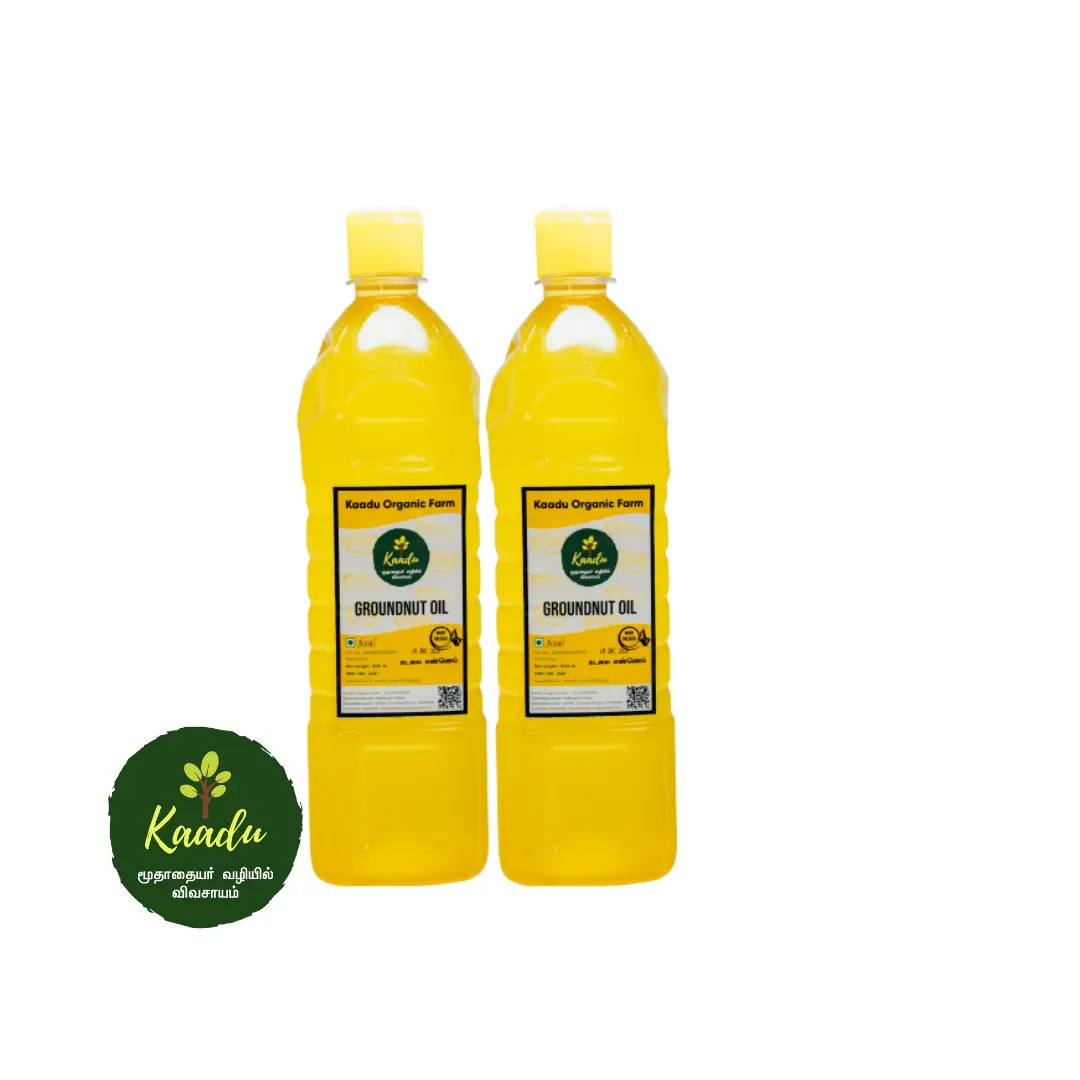
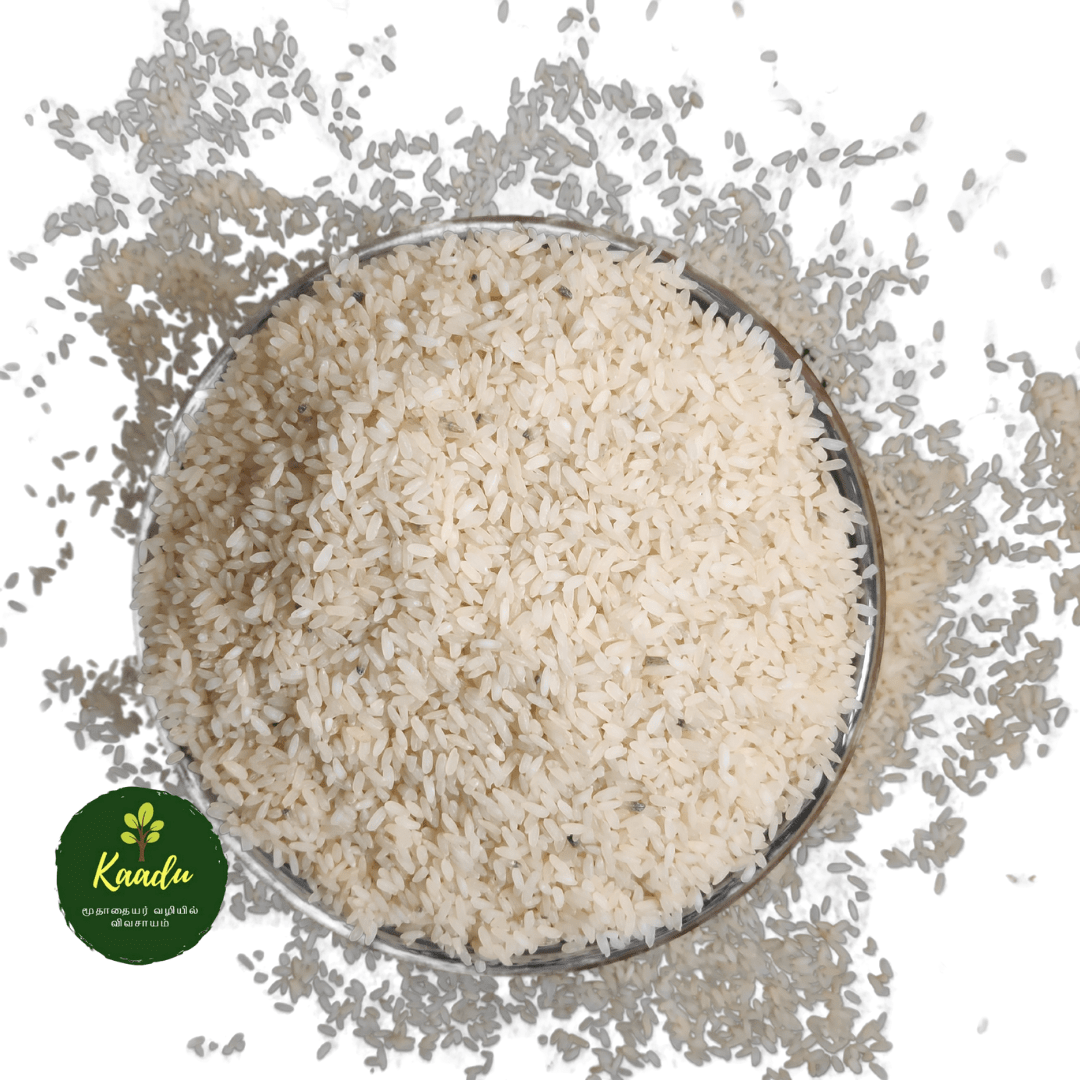
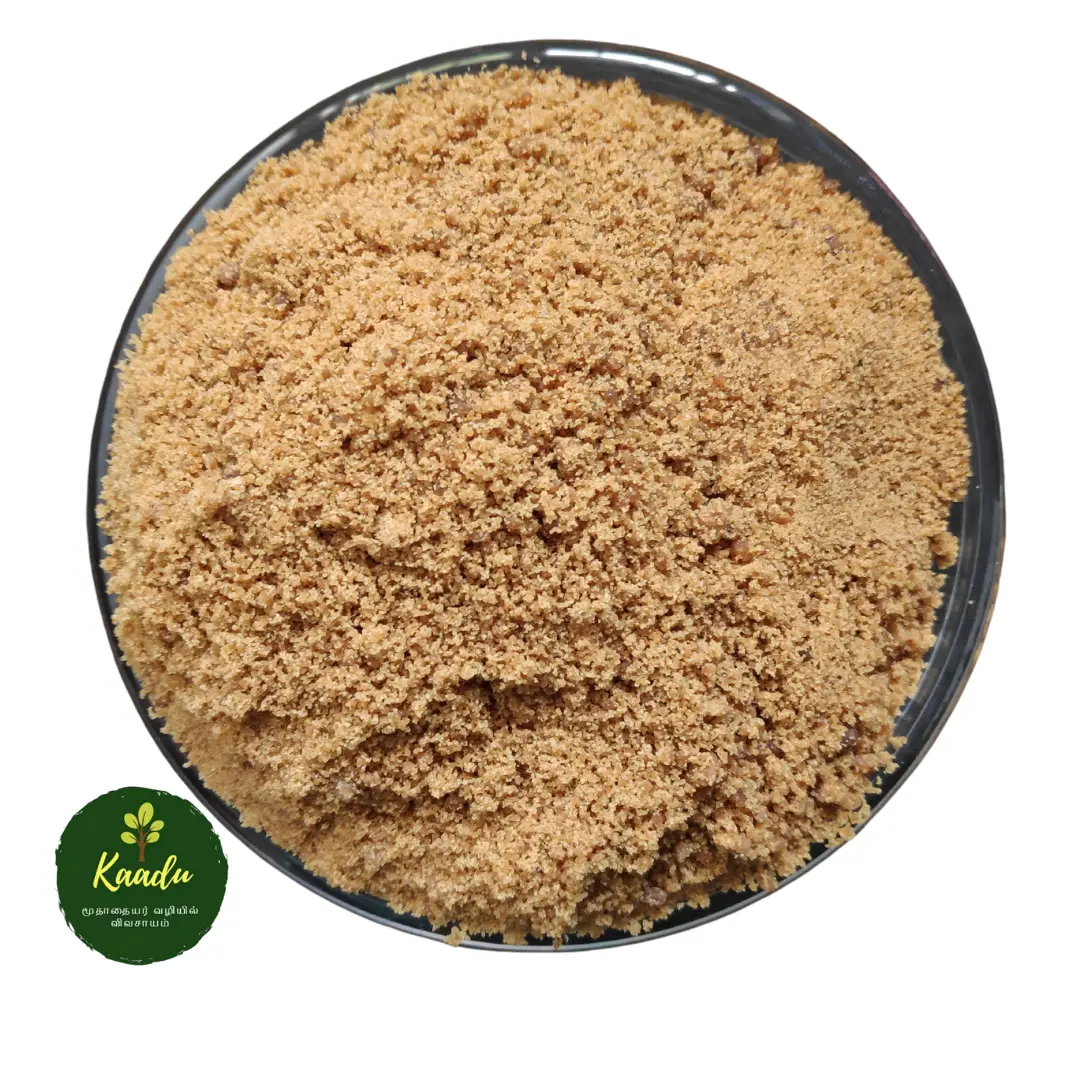
If you are looking for truly organic products, Kaadu Organics has a lot of truly organic products, such as everyday oils, spices, snacks, jaggery, honey, millets, and tea.
Select what your family will enjoy and begin your mindful journey.