Different Types of Millets and How to Use Them in Everyday Cooking
Millets are traditional grains that can bring variety, flavour and nourishment to everyday meals. From soft ragi porridge in the morning to a wholesome jowar roti for lunch, different types of millets can be used to prepare simple dishes for the whole family. They are available in different textures and flavours, making them suitable for breakfast, lunch, dinner and snacks.
If you are planning to include millets in your regular diet, understanding the different varieties and their cooking methods can help you choose the right grain for each recipe. In this guide, we explore popular Indian millets, their uses in everyday cooking and practical tips for preparing them at home.
What Are Millets?
Millets are small-seeded cereal grains traditionally cultivated in India and other parts of the world. They have long been used in regional cuisines, particularly in rural communities where local grains form an important part of everyday meals.
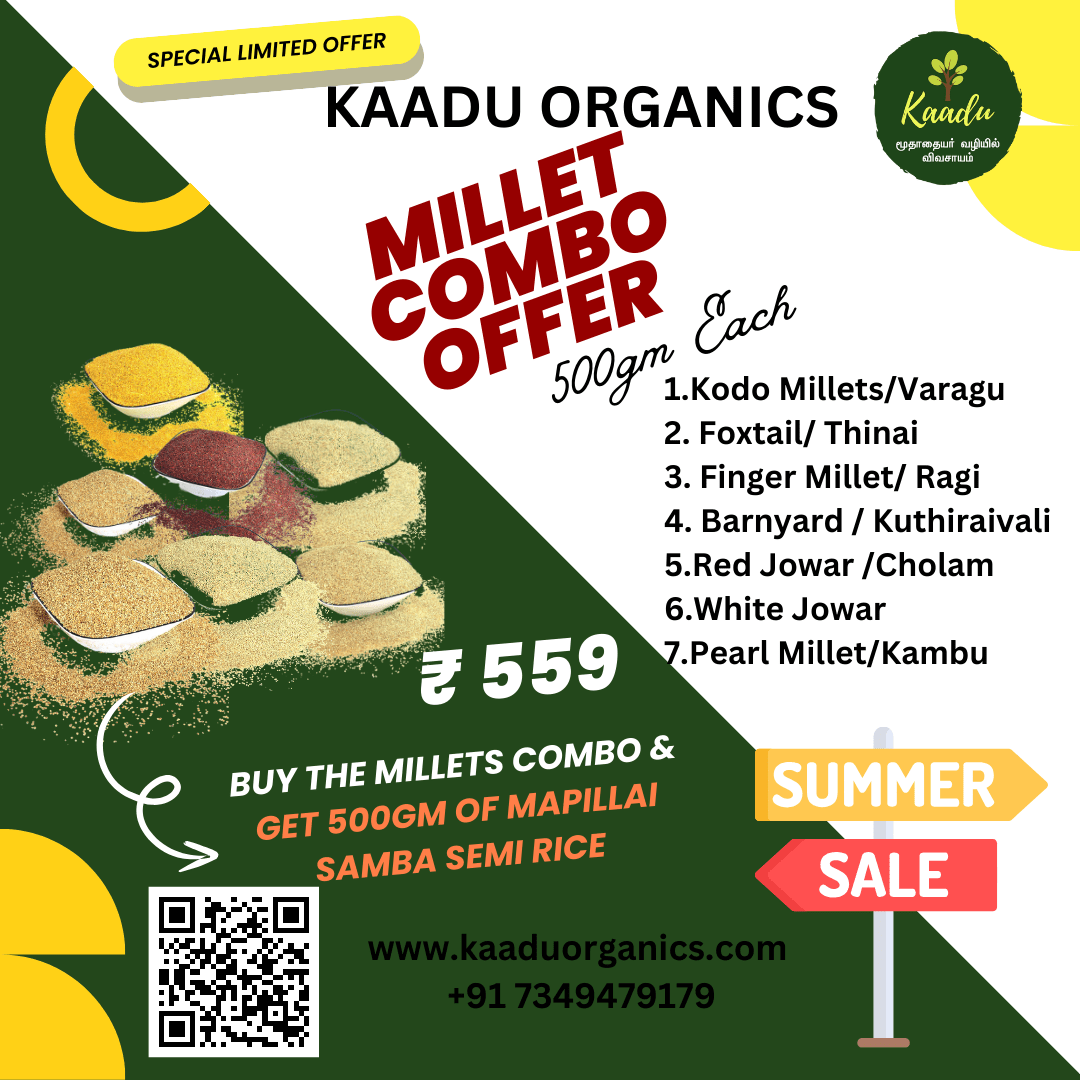
Popular varieties include finger millet, pearl millet, sorghum, foxtail millet, little millet, kodo millet, barnyard millet and proso millet. Each variety has its own taste, texture and cooking requirements.
Millets can be prepared as whole grains, flour, porridge, flatbreads, fermented batters and other familiar dishes. Their nutritional composition varies by variety and processing method. Many millets provide carbohydrates, dietary fibre and minerals, making them useful components of a varied diet.
8 Different Types of Millets and Their Uses
1. Finger Millet (Ragi)
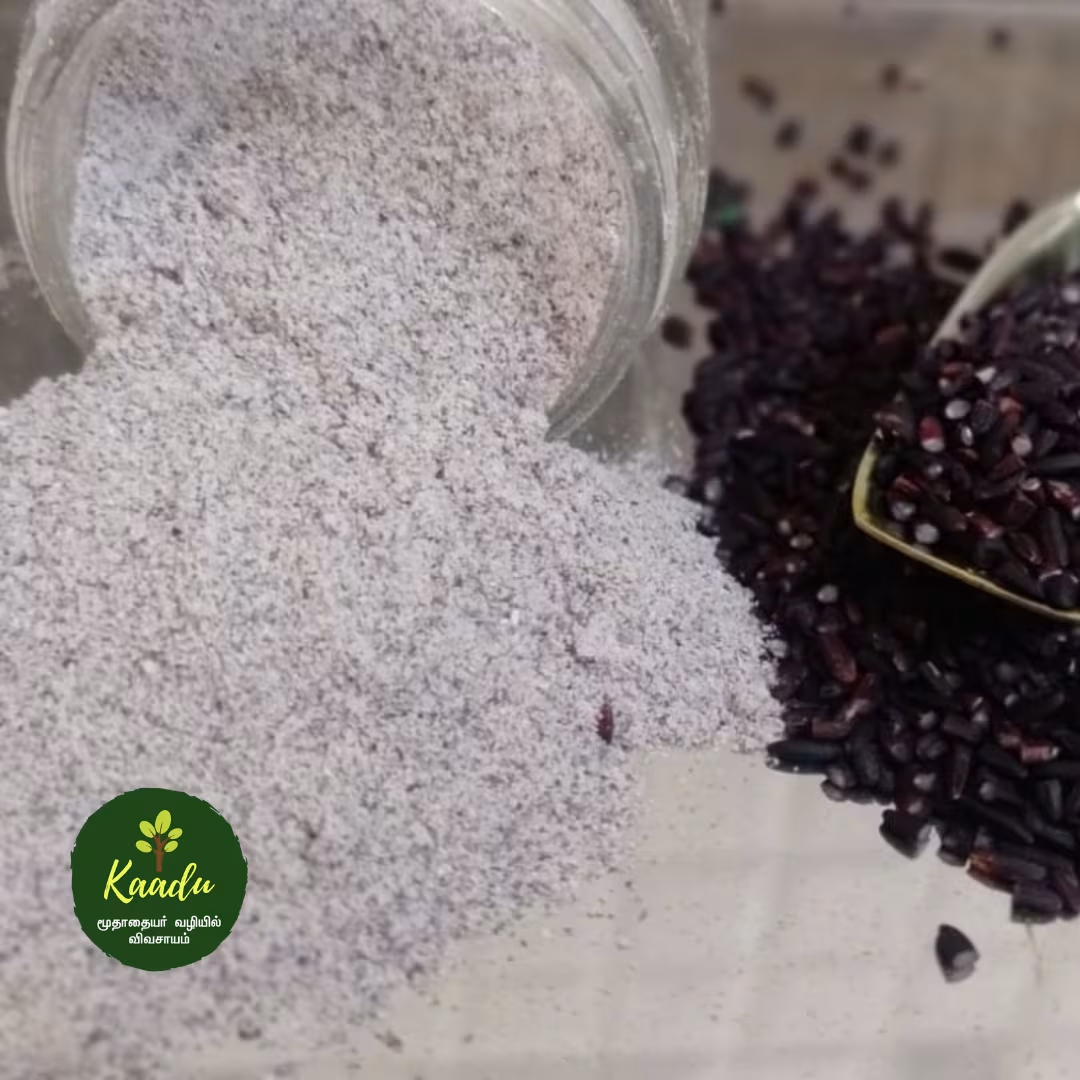
Finger millet, commonly known as ragi, is a familiar grain in South Indian kitchens. It is often used in Karnataka, Tamil Nadu and neighbouring regions to prepare traditional breakfast dishes and flatbreads.
Ragi is particularly known for its calcium content. It also provides carbohydrates and other nutrients that contribute to a balanced diet.
How to use ragi in everyday cooking:
- Ragi porridge: Mix ragi flour with water, cook until smooth and serve with milk or other preferred ingredients.
- Ragi dosa: Combine ragi flour with suitable ingredients to prepare a thin, savoury dosa.
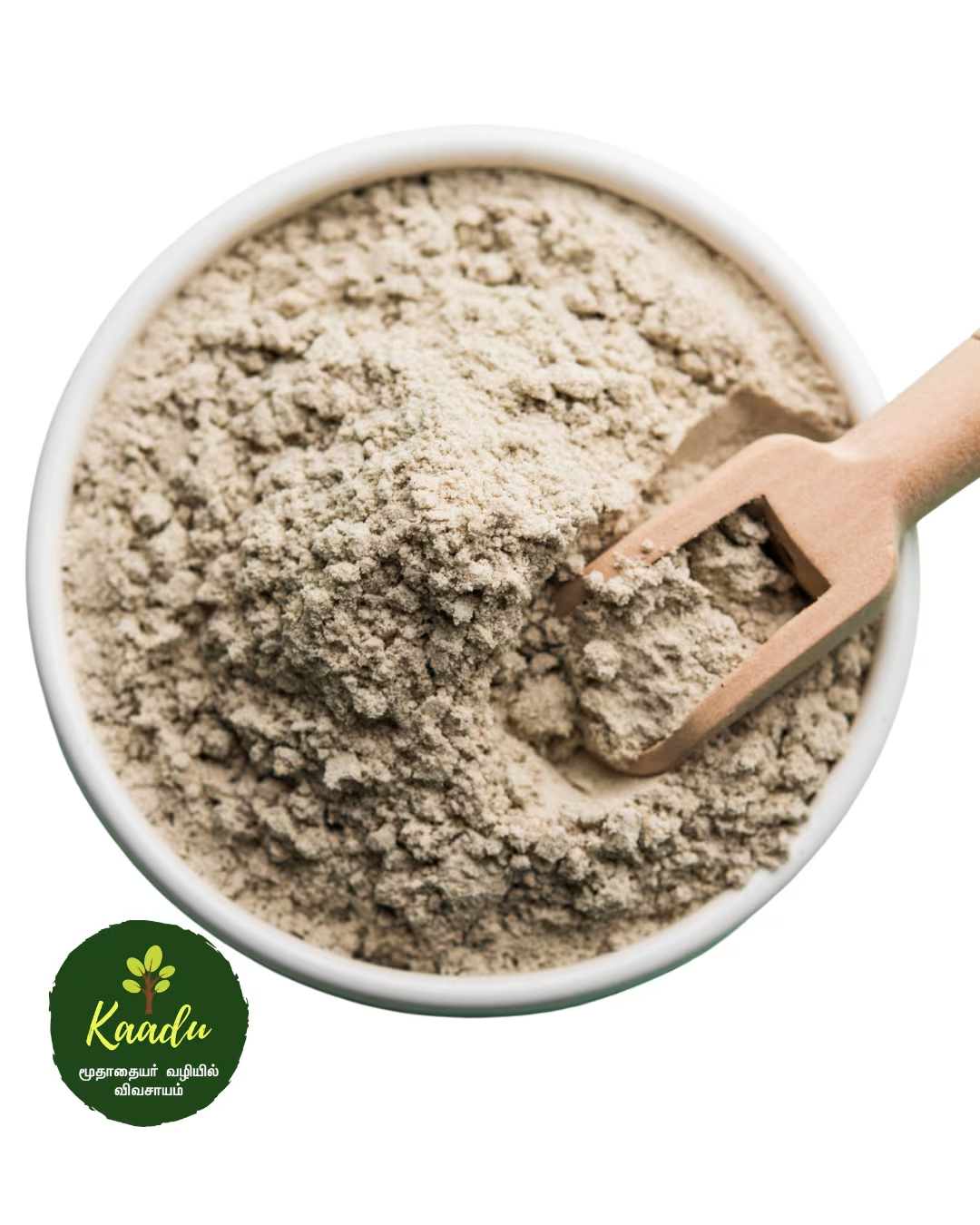
- Ragi roti: Prepare a dough using ragi flour and hot water, then cook flatbreads on a tawa.
- Ragi idli: Add ragi to an idli batter for a different flavour and texture.
- Ragi malt: Cook ragi flour with water or milk to make a warm breakfast or snack.
Ragi flour is a practical option for households looking to explore millet-based recipes without changing their entire meal routine.
2. Pearl Millet (Bajra)
Pearl millet, widely known as bajra, is commonly used in traditional Indian cooking. It has an earthy flavour and works well in hearty meals.
Bajra provides energy, dietary fibre and minerals, including iron. Its exact nutritional composition depends on the grain and how it is processed.
How to use bajra in everyday cooking:
- Bajra roti: Prepare flatbreads using bajra flour and warm water.
- Bajra khichdi: Cook bajra with moong dal and vegetables for a filling meal.
- Bajra porridge: Cook the grain or flour with water or milk until it reaches the desired consistency.
- Bajra dosa: Combine bajra flour with other ingredients to prepare a savoury breakfast.
- Bajra vegetable bowls: Serve cooked bajra with vegetables, pulses and a suitable dressing.
Bajra is a good choice for people who enjoy traditional flatbreads and want to explore alternatives to wheat-based meals.
3. Sorghum (Jowar)
Sorghum, known as jowar, is another widely used millet in India. Its mild, slightly earthy taste makes it suitable for both traditional and modern recipes.
Jowar can be used as a whole grain or ground into flour. Whole jowar generally needs more cooking time than some smaller millets, so soaking may help with preparation.
How to use jowar in everyday cooking:
- Jowar roti: Make flatbreads using jowar flour and warm water.
- Jowar upma: Use cooked jowar with vegetables, spices and tempering.
- Jowar dosa: Prepare a savoury batter using jowar flour or a grain-based mixture.
- Jowar salad: Combine cooked, cooled jowar with cucumber, tomato, herbs and lemon.
- Jowar porridge: Cook the grain or flour with water until soft.
Jowar is particularly useful for households that want to include millet-based rotis and grain bowls in their weekly menu.
4. Foxtail Millet
Foxtail millet is a small grain with a mild flavour that works well in familiar Indian dishes. Its versatility makes it a useful option for people who are new to cooking whole millets.
When cooked properly, foxtail millet can have a light, fluffy texture. The amount of water and cooking time may vary depending on the product and whether it is whole, polished or processed.
How to use foxtail millet in everyday cooking:
- Foxtail millet upma: Cook it with onions, vegetables, mustard seeds and curry leaves.
- Foxtail millet pongal: Prepare a savoury dish with moong dal, pepper, cumin and other seasonings.
- Foxtail millet pulao: Cook it with vegetables and mild spices.
- Foxtail millet lemon rice: Season cooked millet with lemon juice, curry leaves, peanuts and spices.
- Foxtail millet curd rice: Mix cooled cooked millet with curd and a suitable tempering.
Foxtail millet is an easy starting point for people who want to replace rice occasionally without giving up familiar Indian flavours.
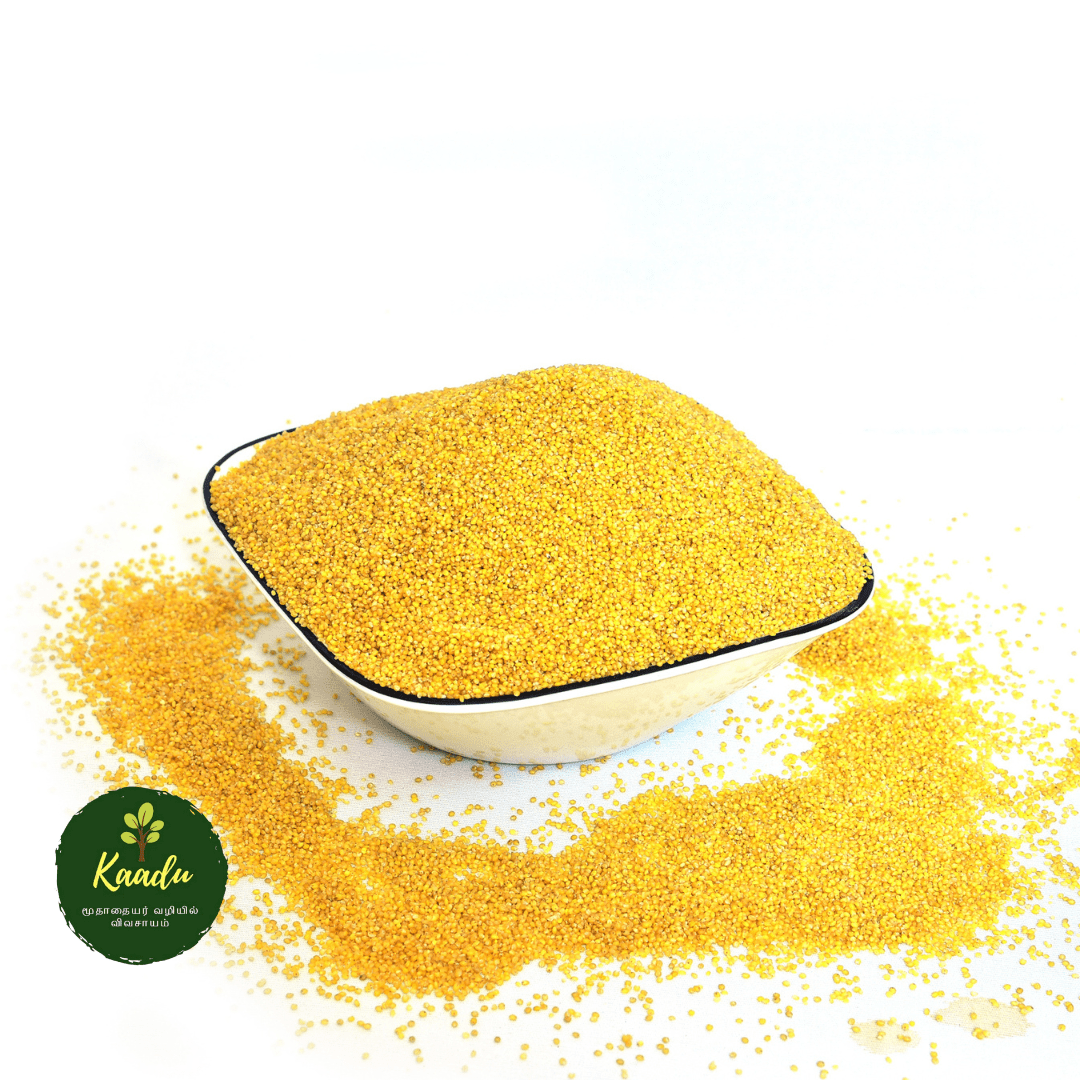
5. Little Millet
Little millet is a small-grained variety commonly used in Indian home cooking. Its mild taste makes it suitable for recipes that usually use rice.
It can be included in meals with vegetables, pulses, curd and other everyday ingredients.
How to use little millet in everyday cooking:
- Little millet rice: Cook it until tender and serve with sambar, rasam or vegetable curry.
- Little millet khichdi: Combine it with moong dal and vegetables.
- Little millet idli: Use it as part of an idli batter.
- Little millet dosa: Prepare a fermented batter for a traditional-style breakfast.
- Little millet pulao: Cook it with vegetables and aromatic spices.
For everyday use, little millet is particularly convenient when you want to experiment with rice-based recipes while maintaining familiar meal combinations.
6. Kodo Millet
Kodo millet is traditionally consumed in different parts of India. It has a distinctive grain texture and can be used in several savoury dishes.
Like other whole grains, kodo millet should be cleaned and prepared according to the product instructions before cooking.
How to use kodo millet in everyday cooking:
- Kodo millet khichdi: Cook with dal, vegetables and mild spices.
- Kodo millet pulao: Combine cooked millet with vegetables and seasoning.
- Kodo millet pongal: Prepare a comforting dish using kodo millet and moong dal.
- Kodo millet salad: Mix cooled cooked grains with fresh vegetables and herbs.
- Kodo millet dosa: Incorporate it into a suitable dosa batter.
Kodo millet can add variety to lunch and dinner, especially when paired with vegetables and a source of protein such as dal or beans.
7. Barnyard Millet
Barnyard millet is known by different regional names and is used in a range of Indian preparations. It cooks relatively quickly compared with some larger whole grains, although the exact time depends on the product.
Its mild flavour makes it suitable for both simple meals and seasoned recipes.
How to use barnyard millet in everyday cooking:
- Barnyard millet pongal: Cook with moong dal, cumin, pepper and other seasonings.
- Barnyard millet upma: Prepare with vegetables and a traditional tempering.
- Barnyard millet curd rice: Combine cooked and cooled millet with curd.
- Barnyard millet khichdi: Cook with pulses and vegetables for a complete meal.
- Barnyard millet dosa: Use it in a batter with other suitable ingredients.
Barnyard millet is useful for adding variety to breakfast and light meals. If you are trying it for the first time, start with a simple preparation such as upma or pongal.
8. Proso Millet
Proso millet is another small-seeded cereal grain that can be incorporated into a varied diet. It has a relatively mild flavour and can be used in both sweet and savoury dishes.
Although it may be less familiar than ragi or jowar in some households, it offers additional variety for everyday cooking.
How to use proso millet in everyday cooking:
- Proso millet porridge: Cook until soft and serve with milk or preferred toppings.
- Proso millet pulao: Combine cooked millet with vegetables and spices.
- Proso millet upma: Prepare with onions, vegetables and seasoning.
- Proso millet salad: Toss cooled cooked grains with fresh vegetables.
- Proso millet patties: Combine cooked millet with mashed vegetables and seasonings, shape into patties and cook on a tawa.
Proso millet is worth exploring if you enjoy experimenting with different grains and want more options for home-cooked meals.
Which Millet Is Best for Everyday Cooking?
The best millet depends on the dish you want to prepare, the texture you prefer and how much time you have for cooking.
| Millet | Best everyday uses |
| Ragi | Porridge, dosa, roti and malt |
| Bajra | Roti, khichdi and porridge |
| Jowar | Roti, upma, salad and grain bowls |
| Foxtail millet | Upma, pongal, pulao and lemon rice |
| Little millet | Millet rice, idli, dosa and khichdi |
| Kodo millet | Khichdi, pulao, pongal and salad |
| Barnyard millet | Upma, pongal, curd rice and khichdi |
| Proso millet | Porridge, pulao, salad and patties |
If you are a beginner, try foxtail millet or little millet in familiar rice-based dishes, ragi flour in porridge, and jowar or bajra flour for flatbreads. These approaches let you explore different millets without having to learn entirely new recipes.
How to Cook Millets Properly
Cooking millets well is important for achieving the right texture and making them enjoyable as part of everyday meals.
1. Clean the grains: Check the packaging instructions and remove any visible unwanted particles if necessary.
2. Rinse before cooking: Rinse whole grains in clean water to remove surface dust. Follow any specific preparation instructions on the pack.
3. Soak when appropriate: Some whole millets benefit from soaking, which may help reduce cooking time. The required duration depends on the grain and recipe.
4. Use the right amount of water: Smaller grains and different processing methods require different amounts of water. Begin with the instructions provided on the package and adjust based on the texture you prefer.
5. Cook until tender: Simmer the grains until they are soft enough for your recipe. Avoid excessive stirring if you want a fluffy texture.
6. Add flavour thoughtfully: Curry leaves, cumin, mustard seeds, ginger, vegetables, herbs and spices can make millet dishes more enjoyable.
7. Store them correctly: Keep uncooked millets in clean, dry, airtight containers away from moisture and heat. Follow the package instructions for storage and shelf life.
How to Include Millets in Your Daily Diet
You do not need to replace every grain in your kitchen to start eating millets. A gradual approach makes it easier to find the varieties and recipes you enjoy.
Here is a simple example of how millets can fit into a regular meal routine:
- Breakfast: Ragi porridge, millet dosa or foxtail millet upma.
- Lunch: Jowar roti with dal and vegetables, or little millet with sambar.
- Evening snack: A small serving of millet-based snacks or a suitable homemade preparation.
- Dinner: Bajra roti, vegetable khichdi or barnyard millet pongal.
Pair millet dishes with pulses, beans, dairy or other suitable protein sources, along with vegetables and other food groups. This helps make meals more varied and balanced.
If you are unfamiliar with millets, begin with one or two meals a week and increase the variety according to your preferences and tolerance.
What Are the Benefits of Eating Different Millets?
Different millets provide different amounts of nutrients, so their benefits depend on the variety, processing method, portion size and the rest of your diet.
Dietary fibre: Many whole millets provide dietary fibre, which contributes to normal digestive function as part of a balanced diet.
Mineral variety: Millets can provide minerals such as iron, magnesium and phosphorus. Finger millet is particularly notable for its calcium content.
Meal variety: Using different grains helps diversify everyday meals rather than relying on a single cereal.
Flexible cooking options: Millets can be prepared as porridge, flatbreads, fermented foods, savoury dishes and snacks.
Plant-based meal combinations: Pairing millets with pulses, beans, nuts, seeds or other suitable foods can help improve the overall nutritional variety of a meal.
Millets are not a cure for medical conditions, and no single grain guarantees weight loss, blood sugar control or improved digestion. Individual dietary needs vary, so people managing a health condition should seek appropriate professional guidance.
Common Mistakes to Avoid When Cooking Millets
A few simple adjustments can improve the taste and texture of millet dishes.
- Using the same cooking method for every millet: Different grains need different amounts of water and cooking time.
- Adding too much water: This may make the grains mushy when a fluffy texture is desired.
- Skipping the product instructions: Some products are pre-cleaned or processed differently, so preparation requirements may vary.
- Changing your diet too quickly: Increase your intake gradually if you are not accustomed to fibre-rich grains.
- Eating millets without meal balance: Include suitable protein sources, vegetables and other food groups rather than relying on one grain alone.
- Assuming every millet is gluten-free certified: Millets are naturally gluten-free, but cross-contact with wheat and other gluten-containing grains can occur during processing or packaging. People with coeliac disease should choose appropriately certified products.
Frequently Asked Questions About Different Types of Millets
1. What are the main types of millets available in India?
Commonly consumed varieties include finger millet (ragi), pearl millet (bajra), sorghum (jowar), foxtail millet, little millet, kodo millet, barnyard millet and proso millet.
2. Which millet can I use instead of rice?
Foxtail millet, little millet, kodo millet, barnyard millet and proso millet can be used in many rice-based dishes. The final texture will differ, so adjust the cooking method to suit the recipe.
3. Can millets be eaten every day?
Millets can be included regularly as part of a varied, balanced diet. The amount and frequency should suit your nutritional needs, preferences and tolerance.
4. Are millets suitable for breakfast?
Yes. Ragi porridge, millet dosa, foxtail millet upma and barnyard millet pongal are examples of breakfast dishes that can be prepared with millets.
5. Do all millets have the same nutritional value?
No. Different millet varieties contain different amounts of fibre, protein, minerals and other nutrients. Processing and preparation methods can also affect their nutritional composition.
6. How should I store millet flour?
Store millet flour in a clean, airtight container in a cool, dry place and follow the storage instructions on the package. Refrigeration may help preserve freshness in warm or humid conditions, depending on the product.
Conclusion
Exploring different types of millets is a simple way to bring more variety to everyday cooking. Ragi works well in porridge and dosa, bajra and jowar are useful for traditional flatbreads, while foxtail, little, kodo, barnyard and proso millets can be used in dishes such as upma, pongal, pulao and khichdi.
Start with recipes your family already enjoys, experiment with different grains and choose products that suit your cooking routine. With the right preparation and balanced meal combinations, millets can become a practical part of your everyday kitchen.
At Kaadu Organics, you can explore millet-based food options for your kitchen and discover simple ways to bring traditional grains into modern daily meals.